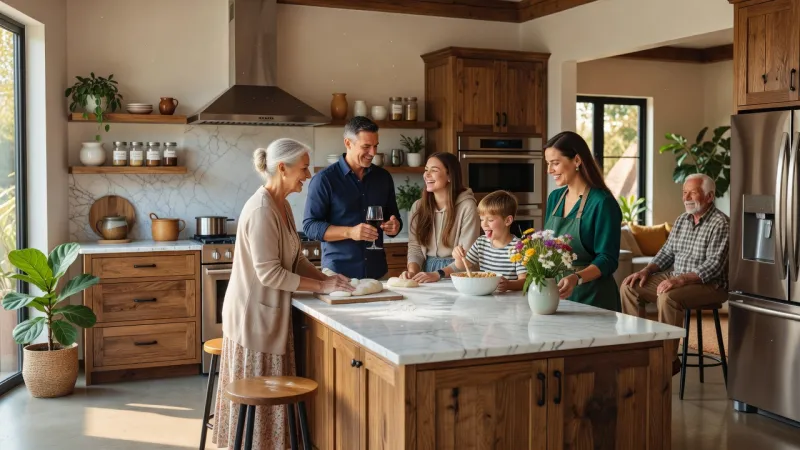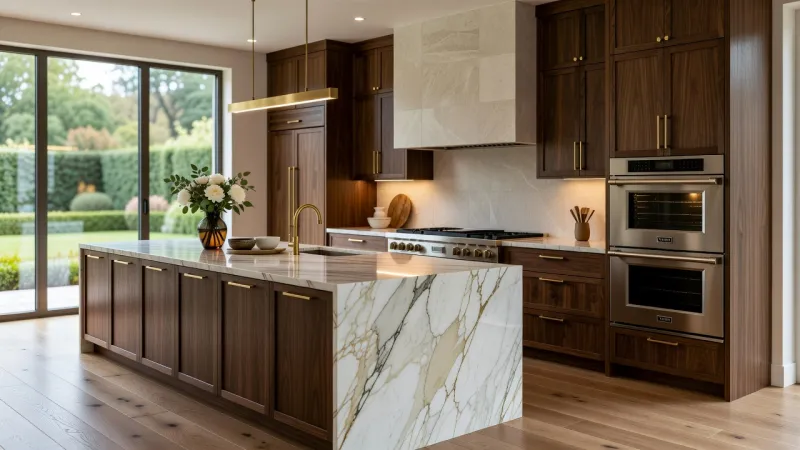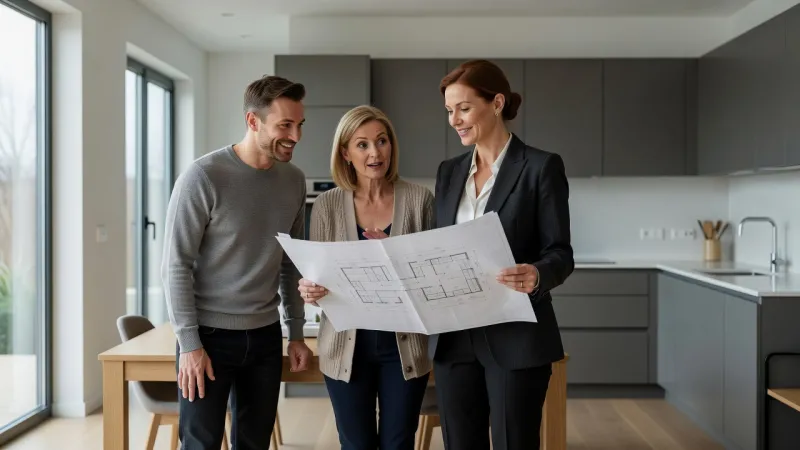
An open concept kitchen to dining room creates fluid spaces in luxury kitchens. Homeowners enjoy better gatherings. Kitchen designers craft elegant flows. Cooking enthusiasts prepare meals with ease.
- Plan layouts for smooth traffic between zones.
- Choose consistent materials across both areas.
- Position high-end appliances for shared use.
- Incorporate lighting that unifies the spaces.
- Select furniture that complements the open flow.
- Ensure storage solutions serve both rooms well.
Why Open Concept Designs Appeal to Homeowners
Homeowners seek spacious feels in their homes. An open concept kitchen to dining room removes walls. This change makes daily life more convenient. Families connect during meals and prep work.
Renovation experts note increased natural light in such setups. Cooking enthusiasts find inspiration from visible dining areas. The layout supports casual entertaining without barriers. Practical advice includes measuring traffic paths first.
Kitchen designers recommend starting with floor plans. They map appliance locations early. Homeowners review material samples for harmony. This step prevents costly changes later.
Many enjoy the social aspect of open designs. Guests interact while chefs work. Storage options expand with fewer walls. Professionals in this field know that resale value rises too.
Integrating High-End Appliances Seamlessly
High-end appliances fit naturally into open layouts. Kitchen designers place ranges near dining zones. Cooking enthusiasts access tools without isolation. Homeowners gain efficiency in daily routines.

As an Amazon Associate, we earn from qualifying purchases.
Professionals in this field know ventilation matters. Proper hoods keep odors contained. Design enthusiasts find built-in options stylish. These choices maintain clean sight lines.
Renovation experts note energy efficiency benefits. Modern units reduce utility costs over time. Homeowners select models that match cabinetry. Coordination creates a polished look overall.
Cooking enthusiasts test appliance placement during planning. They ensure counters flow into dining tables. Kitchen designers suggest islands as buffers. The result enhances both function and form.
Creating an Open Concept Kitchen to Dining Room Flow
Flow starts with careful furniture arrangement. An open concept kitchen to dining room needs clear paths. Homeowners avoid clutter near transitions. Kitchen designers use rugs to define zones subtly.
Lighting plays a key role in unity. Pendant lights over dining areas complement kitchen spots. Cooking enthusiasts work under bright task lights. Consistent styles tie the spaces together.
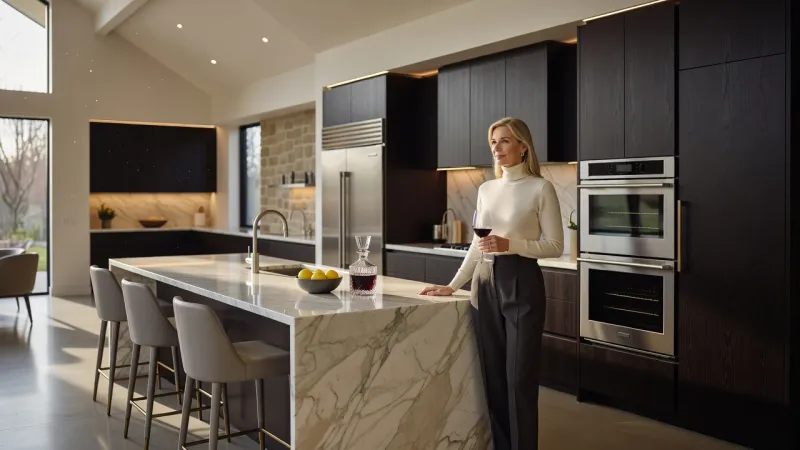
Material choices support visual continuity. Flooring extends from kitchen into dining. Design enthusiasts find wood tones warm and inviting. kitchen design resources offer more guidance on selections.
Storage integrates across both rooms. Cabinets and shelves serve dual purposes. Homeowners store serving pieces close by. This setup streamlines hosting events effectively.
Material and Color Strategies for Cohesion
Materials create harmony in open spaces. Kitchen designers select durable counters for both areas. Homeowners choose neutral palettes for longevity. Cooking enthusiasts appreciate easy-clean surfaces.
Color trends favor soft tones in luxury kitchens. These shades reflect light beautifully. Design enthusiasts find depth with texture mixes. Subtle contrasts add interest without division.
Renovation experts note backsplash extensions. They link kitchen and dining visually. Homeowners test samples in natural light. The process ensures perfect matches every time.
Professionals in this field know quality matters. Premium finishes withstand daily use. trends evolve but timeless choices endure. Homeowners invest wisely for lasting appeal.
Practical Tips from Kitchen Designers
Kitchen designers begin with client needs. They assess cooking habits and entertaining styles. Homeowners share lifestyle details upfront. This input shapes successful open layouts.
Cooking enthusiasts request specific zones. Prep areas stay separate from dining. Design enthusiasts find smart storage essential. Pull-out features maximize every inch available.
Lighting plans come next in the process. Dimmer switches allow mood adjustments. Homeowners control ambiance for different occasions. Renovation experts suggest layered systems always.
Final reviews catch potential issues early. Measurements confirm appliance fits. Professionals in this field know details count. The completed space delights all users daily.
For kitchen design inspiration, explore Architectural Digest and Houzz.
Frequently Asked Questions
How do I start planning an open concept kitchen to dining room?
Begin with a detailed floor plan of your current space. Measure all dimensions accurately before removing walls. Consult kitchen designers for layout ideas tailored to your home. Homeowners should consider traffic flow and appliance placement early. Cooking enthusiasts benefit from testing zones during the design phase. This approach ensures a functional and elegant result.
What materials work best for an open concept kitchen to dining room?
Consistent flooring and counter materials create seamless transitions. Kitchen designers often suggest quartz or hardwood for durability. Homeowners select colors that complement both areas naturally. Cooking enthusiasts prefer easy maintenance surfaces in high-use zones. Design enthusiasts explore texture variations for visual interest. These choices support long-term satisfaction and style.
Can high-end appliances fit into open layouts easily?
High-end appliances integrate well with proper planning. Kitchen designers position them to maintain open sight lines. Homeowners review dimensions to avoid crowding dining areas. Cooking enthusiasts gain convenience from accessible placements. Professionals in this field know ventilation and power needs must align. The outcome enhances both performance and aesthetics.
How does lighting affect these connected spaces?
Lighting unifies an open concept kitchen to dining room effectively. Kitchen designers layer task, ambient, and accent options. Homeowners install dimmers for flexible moods during meals. Cooking enthusiasts work better under targeted bright lights. Design enthusiasts choose fixtures that match across zones. This strategy improves usability and overall ambiance.
What common mistakes should I avoid in such designs?
Avoid poor traffic paths that disrupt daily movement. Kitchen designers stress early measurements of all elements. Homeowners should not overlook storage needs in both rooms. Cooking enthusiasts test appliance reach before finalizing. Professionals in this field know material mismatches ruin cohesion. Careful planning prevents these issues from arising.
Final Thoughts
Open concept kitchen to dining room designs transform luxury kitchens into welcoming hubs. Homeowners, kitchen designers, and cooking enthusiasts all benefit from thoughtful execution. These spaces support modern living with style and function.
Start your project by reviewing proven kitchen design strategies. Small decisions lead to big impacts over time. The results reward careful effort with lasting enjoyment.