
Sustainable design examples show how luxury kitchens can combine beauty with responsibility. Homeowners seek options that reduce waste while maintaining style. Kitchen designers apply these ideas to create lasting spaces. Cooking enthusiasts enjoy efficient setups that support their passion.
- Choose recycled materials for countertops to lower environmental impact.
- Select high-end appliances with energy-saving features for daily use.
- Incorporate natural lighting to cut electricity needs in kitchen design.
- Plan layouts that minimize food waste during meal prep.
- Use durable finishes that last longer in high-traffic areas.
- Integrate smart storage to organize tools and reduce clutter.
Materials That Define Sustainable Design Examples
Recycled wood works well in cabinetry for luxury kitchens. It offers strength and unique grain patterns. Homeowners appreciate the story behind each piece. Kitchen designers source certified options for quality assurance.
Bamboo surfaces provide another strong choice. This material grows quickly and renews easily. Cooking enthusiasts find it resists heat during active sessions. It fits modern aesthetics without compromise.
Stone from local quarries reduces transport emissions. Such selections support regional economies too. Professionals in this field know these choices enhance value over time. They create timeless looks in any renovation project.
Metal accents from reclaimed sources add industrial flair. They pair nicely with wood tones. Homeowners enjoy the contrast in their cooking zones. This approach keeps spaces fresh for years.
High-End Appliances in Sustainable Design Examples
Energy-efficient refrigerators help control utility costs. They maintain freshness with advanced insulation. Kitchen designers recommend models that match cabinet styles. Cooking enthusiasts benefit from quiet operation during long hours.
Induction cooktops deliver precise heat control. They use less power than traditional options. Homeowners notice faster cleanup after meals. Such features align with thoughtful kitchen design goals.
Dishwashers with smart sensors optimize water use. They adjust cycles based on load size. Professionals in this field know these units perform reliably. They suit busy households focused on efficiency.
Ovens with convection settings cook evenly at lower temperatures. This saves energy without losing results. Enthusiasts experiment with recipes more freely. The technology supports creative exploration in the kitchen.
Kitchen Design Principles for Lasting Impact
Layout planning starts with workflow analysis. Zones for prep, cooking, and storage reduce steps. Homeowners gain smoother daily routines. Kitchen designers refine these details through careful sketches.
Lighting layers include task and ambient sources. Natural windows play a key role here. Cooking enthusiasts see ingredients clearly at all times. This setup improves safety and enjoyment.
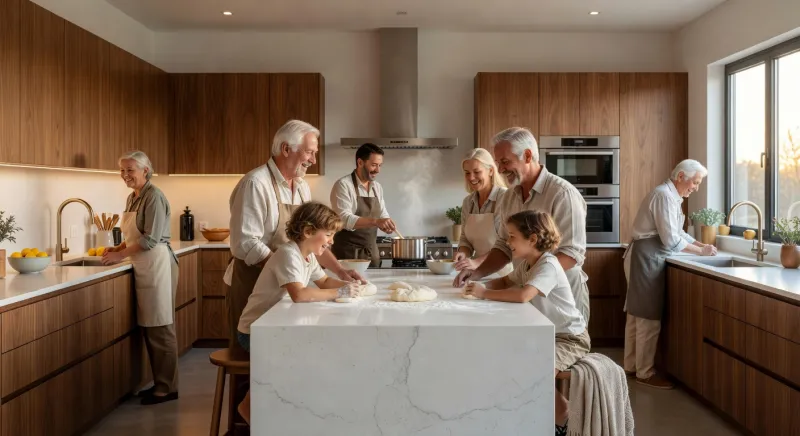
Ventilation systems remove odors effectively. They maintain air quality during intense sessions. Such elements protect finishes in luxury kitchens. They add comfort for everyone involved.
Color palettes draw from earth tones. These choices create calm atmospheres. Professionals in this field select hues that age gracefully. They complement various appliance finishes well.
Benefits for Homeowners and Enthusiasts
Lower operating costs come from smart material choices. Homes retain value through durable upgrades. Owners feel good about reduced resource use. These outcomes support long-term satisfaction.
Healthier indoor environments result from low-emission products. Families cook with greater peace of mind. Cooking enthusiasts spend more time in pleasant spaces. The difference shows in daily habits.
Resale appeal rises with certified features. Buyers seek kitchens that reflect current values. Kitchen designers highlight these aspects during consultations. They guide decisions toward future-proof results.
Personal fulfillment grows from meaningful selections. Spaces reflect care for the planet. Homeowners share stories with guests during gatherings. This connection deepens enjoyment of the room.
Guidance for Kitchen Designers
Client discussions begin with lifestyle assessments. Goals for sustainability guide material lists. Professionals in this field balance aesthetics with function. They present options that fit budgets and visions.
Collaboration with suppliers ensures quality standards. Certifications verify claims about sources. This field demands attention to supply chains. Designers verify details before final selections.
Installation techniques preserve material integrity. Proper handling avoids waste during builds. Enthusiasts notice seamless results in finished rooms. The process supports overall project success.
Post-installation advice covers maintenance routines. Simple steps extend the life of surfaces. Homeowners learn to care for investments properly. This service builds lasting client relationships.
Inspiration for Cooking Enthusiasts
Functional islands double as prep stations. They organize tools within easy reach. Sustainable design examples shine in these central features. Enthusiasts host sessions with better flow.
Pantry systems use natural dividers. They keep ingredients visible and fresh. Such setups reduce spoilage over time. Cooking becomes more efficient and creative.
Outdoor connections extend kitchen use seasonally. Windows and doors link to gardens. This field encourages views that inspire menus. Homeowners enjoy expanded entertaining options.
Tool organization promotes mindful habits. Dedicated spots prevent loss and damage. These details enhance the overall experience. They turn routine tasks into pleasures.
For kitchen design inspiration, explore Architectural Digest and Houzz.
Frequently Asked Questions
What are sustainable design examples in luxury kitchens?
Sustainable design examples include recycled materials and energy-efficient high-end appliances. Homeowners select these to create elegant yet responsible spaces. Kitchen designers integrate them into custom layouts. Cooking enthusiasts benefit from reduced waste during meal preparation. These choices support long-term value in the home.
How do sustainable design examples affect kitchen design choices?
They influence material selection and appliance placement for better efficiency. Homeowners work with designers to balance style and function. The result improves daily cooking routines. Professionals in this field guide selections toward durable options. Enthusiasts enjoy spaces that perform well over years.
Which high-end appliances fit sustainable design examples best?
Induction cooktops and smart refrigerators stand out in this field. They lower energy use while delivering strong performance. Homeowners appreciate the quiet operation in busy kitchens. Kitchen designers match them to cabinetry for seamless looks. Cooking enthusiasts gain precision in their recipes.
Can homeowners apply sustainable design examples on their own?
Basic steps like choosing local stone start the process. They consult kitchen designers for complex integrations. Positions in this industry provide resources for guidance. Cooking enthusiasts test small changes first. The approach builds confidence over time.
Why do cooking enthusiasts value sustainable design examples?
These roles create efficient workspaces that support creative cooking. Homeowners notice better organization and lower costs. Kitchen designers highlight health and environmental gains. This field encourages habits that last. Enthusiasts return to refreshed spaces daily.
Final Thoughts
Sustainable design examples transform luxury kitchens into responsible and beautiful spaces. Homeowners, kitchen designers, and cooking enthusiasts all gain from these thoughtful approaches. They combine high-end appliances with practical choices for lasting results.
Explore options through trusted suppliers to begin your project. Small steps lead to meaningful changes in any kitchen. Start planning today for a space that reflects both style and care.
