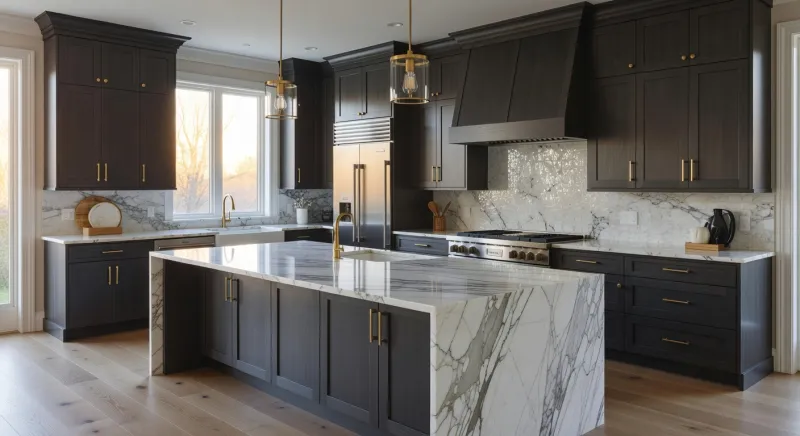
What is a traditional kitchen style? This approach brings timeless charm to luxury kitchens. It blends classic details with modern function. Homeowners love its warmth. Kitchen designers use it often. Cooking enthusiasts enjoy the inviting feel.
- Focus on warm wood tones for cabinets to create lasting appeal.
- Choose high-end appliances that blend seamlessly with classic lines.
- Incorporate ornate hardware for added elegance in every detail.
- Balance symmetry in layout for a polished and welcoming space.
- Select durable materials that age gracefully over decades.
- Integrate subtle patterns in tiles or fabrics for visual interest.
- Plan storage solutions that respect traditional forms and needs.
Understanding the Roots of Classic Design
Traditional kitchens draw from historical European estates. They favor symmetry and rich details. Renovation experts note this creates enduring value. Homeowners appreciate the cozy atmosphere. It suits family gatherings well.
Kitchen designers recommend studying past eras for inspiration. Wood carvings and paneling often feature. These elements add depth and character. Cooking enthusiasts find joy in the familiar layout. It supports efficient meal prep.
High-end appliances fit naturally into this framework. They hide behind custom panels at times. This maintains the classic look. Professionals in this field know the balance is key. It avoids any modern clash.
Materials like marble and granite enhance the style. They pair well with dark woods. Explore options in materials. Homeowners can select finishes that last. Designers guide these choices carefully.
What Is a Traditional Kitchen Style: Key Features
What is a traditional kitchen style at its core? It centers on ornate yet functional pieces. Crown molding tops the cabinets. Raised panel doors add texture. These details create visual weight.
Color palettes stay neutral and warm. Creams and deep browns dominate. Accents in brass or oil rubbed bronze shine. Kitchen designers often suggest these for cohesion. They elevate the entire room.
Countertops feature natural stone or butcher block. Edges may be beveled or ogee shaped. Cooking enthusiasts value the prep space. It feels generous and practical daily.
Lighting includes chandeliers or sconces. They complement recessed fixtures. This mix ensures both task and ambient light. Homeowners enjoy the layered effect at night.
Integrating High-End Appliances Seamlessly
High-end appliances belong in traditional kitchens. They offer power without breaking the aesthetic. Professional ranges sit under custom hoods. Refrigerators often receive panel fronts. This hides technology.
Kitchen designers plan appliance placement early. It preserves workflow and sight lines. Homeowners gain efficiency in cooking routines. Review choices in appliances. Proper selection matters greatly here.
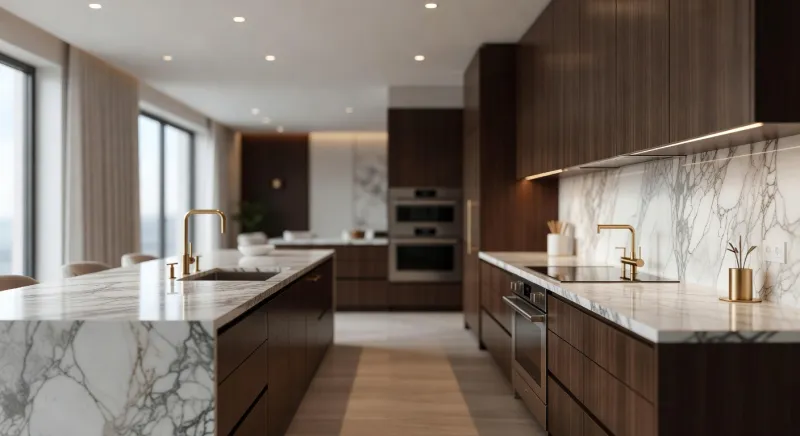
Dishwashers and microwaves tuck away too. They keep surfaces clean and classic. Cooking enthusiasts appreciate quiet operation. It supports focused meal creation.
Maintenance stays simple with quality brands. Finishes resist wear over time. This protects the investment in luxury kitchens. Renovation experts note long term satisfaction.
Practical Tips for Homeowners and Designers
Homeowners start by assessing current layouts. Measure spaces for new cabinetry. Traditional proportions matter most. Kitchen designers create scaled drawings first. This avoids costly errors later.
Consider traffic flow in family homes. Islands with seating fit well. They encourage conversation during prep. Cooking enthusiasts use them for baking projects often.
Storage includes deep drawers and pull outs. These respect the style while adding function. See ideas in organization. Professionals in this field know storage is vital.
Budget for quality woods and stones. They define the traditional look. Homeowners see returns in resale value. Designers help prioritize spending wisely.
Creating Timeless Appeal in Modern Homes
Traditional kitchens adapt to new builds easily. They mix with open floor plans. This keeps homes feeling connected. Kitchen designers blend zones with care. The result feels cohesive always.
Window treatments use soft fabrics or shutters. They soften hard surfaces. Homeowners enjoy the added texture. Cooking enthusiasts value natural light control.
Final details include artwork and plants. These personalize the space. They enhance the welcoming vibe. Architectural Digest shows inspiring examples often. Similar inspiration appears on Houzz.
Updates remain minimal over years. Classic forms resist trends. This stability appeals to many buyers. Professionals in this field recommend it highly.
For kitchen design inspiration, explore Architectural Digest and Houzz.
Frequently Asked Questions
What does a traditional kitchen style look like?
A traditional kitchen style features warm woods, ornate details, and symmetrical layouts. It uses classic cabinetry with raised panels and crown molding. Homeowners often pair these with natural stone counters for lasting beauty. Kitchen designers select high-end appliances that blend into the design. Cooking enthusiasts enjoy the efficient yet elegant workspace it creates.
How does what is a traditional kitchen style differ from modern styles?
What is a traditional kitchen style differs through its focus on historical details and warmth. Modern styles favor clean lines and minimal hardware instead. Traditional versions include more texture from wood and stone. Kitchen designers blend both when clients request updates. Homeowners find traditional kitchens feel more inviting for daily use.
Can high-end appliances work in a traditional kitchen?
High-end appliances work well when hidden behind matching panels. They maintain the classic aesthetic while delivering performance. Kitchen designers plan their placement to support workflow. Homeowners gain reliable tools without visual disruption. Cooking enthusiasts benefit from advanced features in a timeless setting.
What materials suit these roles best?
These roles suit materials like cherry wood, marble, and brass hardware. They age well and add authentic character. Kitchen designers match finishes across cabinets and fixtures. Homeowners select durable options for heavy daily use. Cooking enthusiasts appreciate surfaces that handle prep tasks easily.
Is this field popular with new homeowners?
This field remains popular because it offers enduring style and function. New homeowners choose it for its resale appeal and comfort. Kitchen designers adapt it to various home sizes. Cooking enthusiasts value the familiar layout for family meals. It creates spaces that feel both luxurious and practical.
Final Thoughts
What is a traditional kitchen style offers lasting beauty for luxury kitchens. It combines classic elements with practical high-end appliances. Homeowners, kitchen designers, and cooking enthusiasts all benefit from its thoughtful approach.
Explore further options through kitchen design resources. Start planning your own timeless space today.
