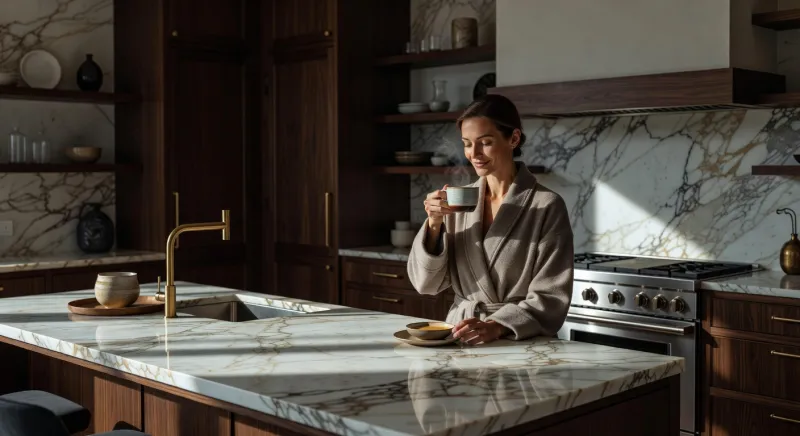
Healthcare flooring requirements play a key role in modern luxury kitchens. These standards ensure safety and hygiene in spaces used daily by homeowners and cooking enthusiasts. Kitchen designers often adapt them for high-end projects.
- Choose slip resistant surfaces to prevent accidents during cooking.
- Select materials that resist stains from food spills and cleaning agents.
- Ensure easy cleaning to maintain hygiene in busy kitchen areas.
- Consider antimicrobial options for better health protection at home.
- Verify durability against heavy foot traffic from family and guests.
- Match flooring with overall kitchen design for visual appeal.
- Consult experts for compliance with local building codes.
Understanding Healthcare Flooring Requirements
Professionals in this field know that healthcare flooring requirements focus on infection control and safety. These rules originated in medical settings but now influence home design. Kitchen designers recommend them for luxury kitchens where food preparation happens often.
Homeowners benefit when floors resist bacteria growth. This matters in areas with frequent spills. Cooking enthusiasts find such floors practical for daily use.
Materials must meet specific performance levels. They include low porosity and chemical resistance. Renovation experts note these traits reduce long term costs.
Design enthusiasts find that these requirements guide material selection. They align well with high end aesthetics. Proper choices create seamless transitions in open kitchen layouts.
Applying Standards to Luxury Kitchen Design
Kitchen designers integrate healthcare flooring requirements into luxury projects. This approach supports both style and function. Homeowners gain peace of mind in spaces used for entertaining.
Slip resistance becomes essential near cooking zones. It prevents falls on wet surfaces. Cooking enthusiasts appreciate the added security during active meal prep.
Seamless installation helps avoid dirt traps. This detail supports better sanitation overall. Professionals in this field know it aligns with modern trends.
Color and texture options remain broad. They allow custom looks that suit personal tastes. kitchen design resources often highlight these adaptations.
Material Choices for Homeowners and Designers
Porcelain tiles often meet healthcare flooring requirements in luxury kitchens. They offer durability and easy maintenance. Homeowners value their resistance to moisture from sinks and appliances.
Vinyl options provide comfort underfoot. They work well in areas with prolonged standing. Kitchen designers select them for noise reduction too.

Epoxy coatings create a seamless barrier. This choice supports strict hygiene needs. Cooking enthusiasts find them ideal for high traffic cooking sessions.
Always check certifications before purchase. These confirm compliance with key standards. materials guides help narrow options effectively.
Installation and Maintenance Tips
Proper installation ensures flooring performs as expected. Hire skilled contractors familiar with these standards. Homeowners should verify references in advance.
Regular cleaning routines maintain the benefits. Use approved products to avoid damage. Kitchen designers often suggest schedules tailored to usage patterns.
Repairs should happen promptly to prevent issues. This practice extends the life of the floor. Cooking enthusiasts notice the difference in daily routines.
Professional inspections help catch problems early. They keep the space compliant over time. Such steps protect investments in luxury kitchens.
Benefits for Cooking Enthusiasts
These flooring choices enhance safety during complex recipes. They reduce risks from oils and liquids. Homeowners report higher confidence in their kitchens.
Hygiene improvements support family health goals. This factor appeals to those who cook often. Design enthusiasts find the results both practical and elegant.
Long term savings come from reduced replacements. Durable floors handle daily demands well. Professionals in this field know the value of upfront planning.
Integration with high end appliances creates cohesive spaces. Flooring supports overall workflow efficiency. The outcome elevates the entire cooking experience.
For kitchen design inspiration, explore Architectural Digest and Houzz.
Frequently Asked Questions
What are healthcare flooring requirements in luxury kitchens?
These standards emphasize slip resistance and easy sanitation. They help prevent accidents and bacterial buildup in food areas. Homeowners use them to create safer cooking environments. Kitchen designers apply them to meet both style and function needs. The result supports daily use by cooking enthusiasts.
How do healthcare flooring requirements affect kitchen renovations?
They guide material selection toward durable and hygienic options. Renovations gain longevity when these rules are followed. Homeowners see fewer issues with stains and wear. Kitchen designers incorporate them for code compliance. Cooking enthusiasts benefit from improved workspace safety.
Which materials best meet healthcare flooring requirements?
Porcelain and certain vinyl types perform well in these roles. They resist moisture and chemicals common in kitchens. Homeowners choose them for low maintenance needs. Kitchen designers match them to luxury aesthetics. The selections support active cooking lifestyles.
Can homeowners install such flooring without professional help?
DIY attempts often fall short on proper sealing and leveling. These roles require precise techniques for full compliance. Homeowners risk voids in warranties without experts. Kitchen designers advise hiring certified installers. Cooking enthusiasts gain reliable results this way.
Do these standards increase kitchen project costs?
Initial expenses may rise with premium materials. This field rewards the investment through durability. Homeowners save on future repairs and replacements. Kitchen designers balance costs with design goals. The outcomes enhance long term kitchen value.
Final Thoughts
Healthcare flooring requirements offer clear advantages in luxury kitchens. They promote safety and hygiene that homeowners and cooking enthusiasts value. Kitchen designers use them to deliver superior results.
Consider these standards in your next project. They align well with high end goals. Explore more options through renovation resources to get started.

